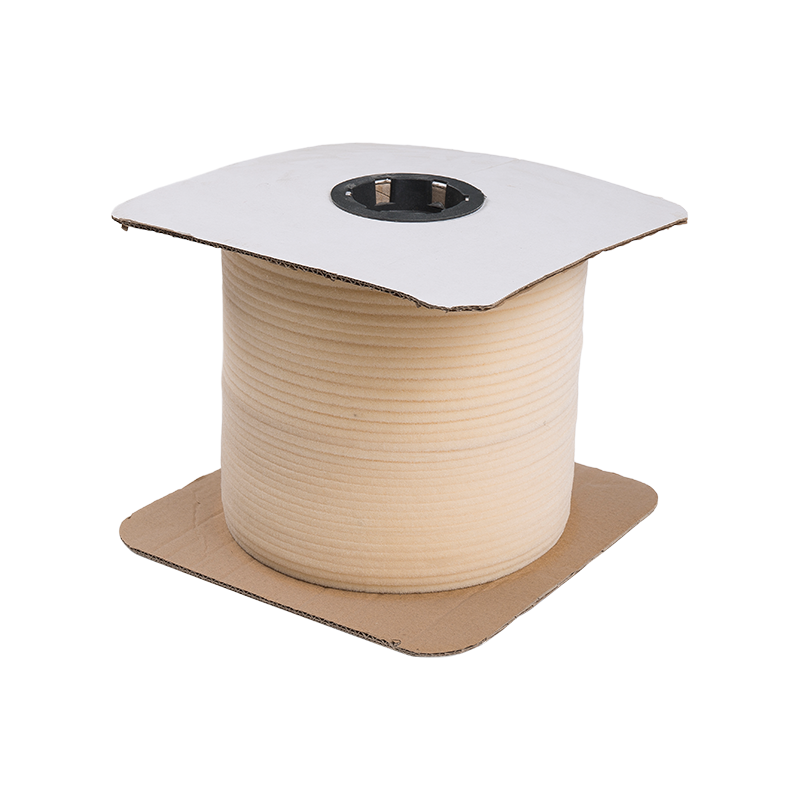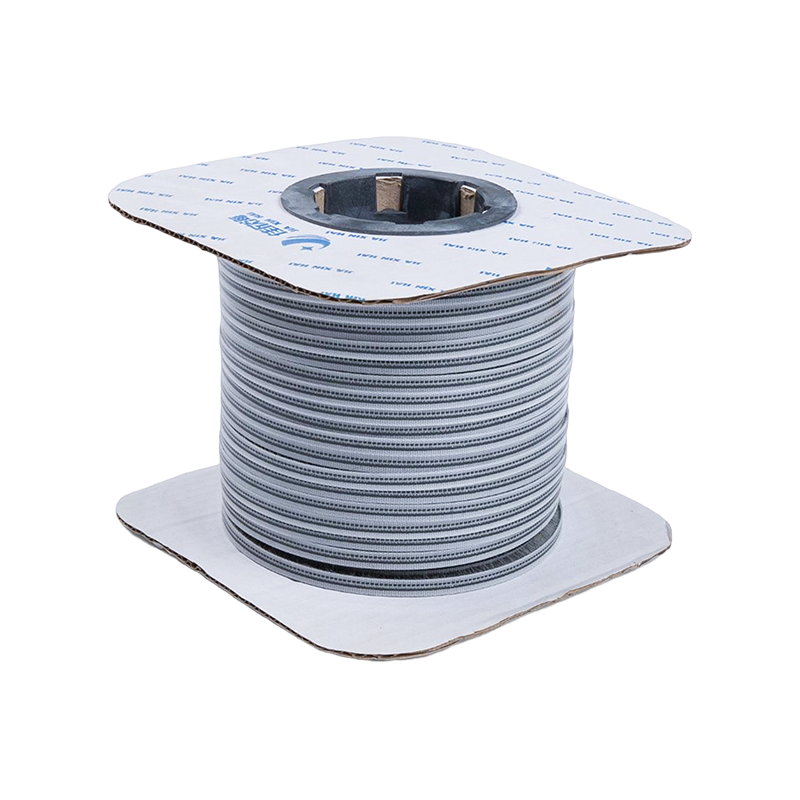
Product Features
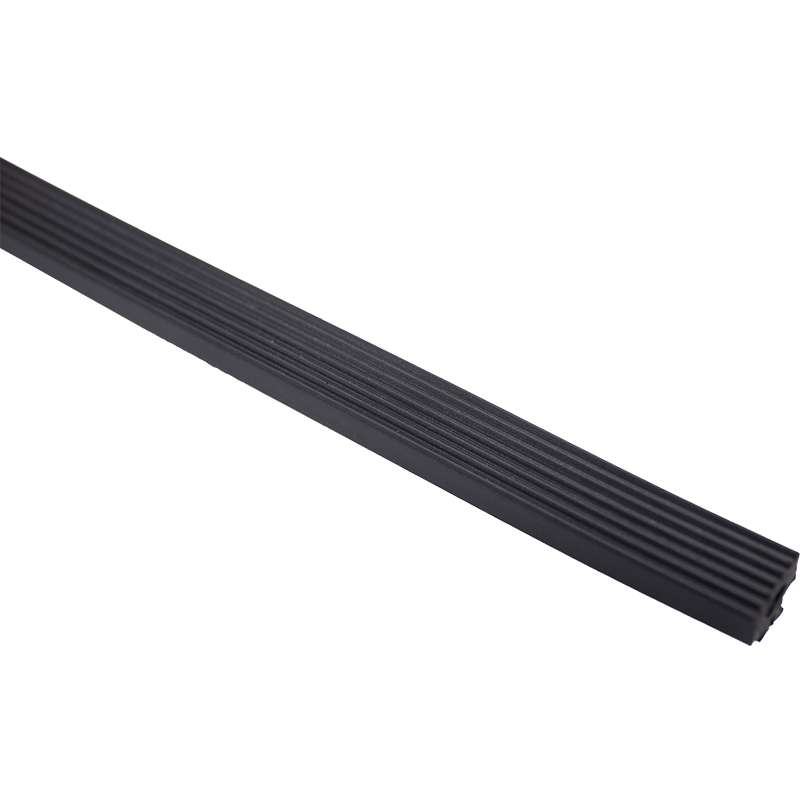
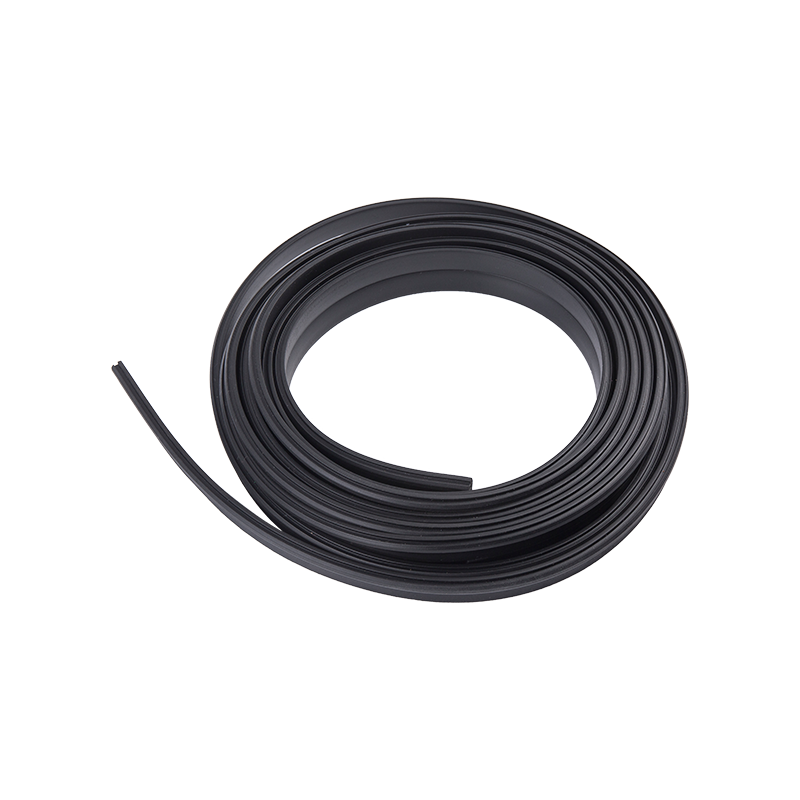
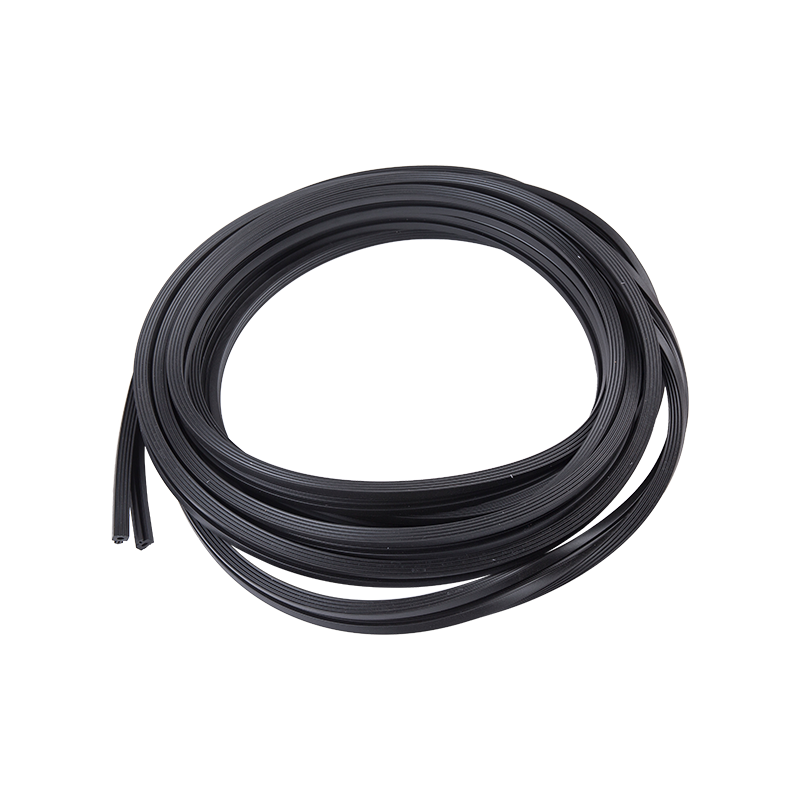
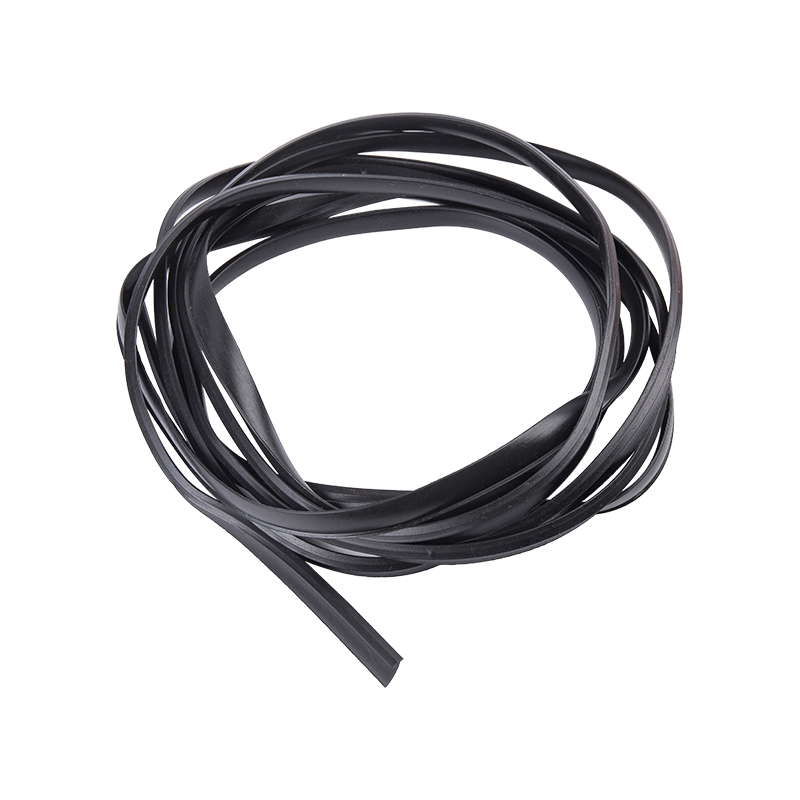
- Superior Durability: Engineered from high-density EPDM rubber, this weatherstripping offers exceptional resistance to UV radiation, ozone, and extreme temperatures, ensuring long-term performance without cracking or hardening.
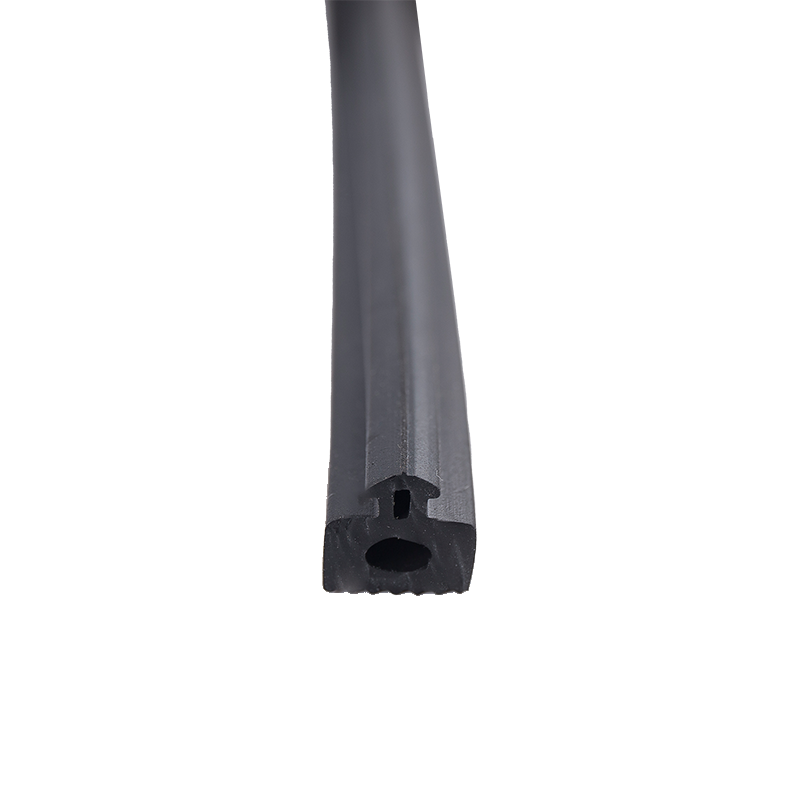
- Effective Dust and Draft Sealing: The robust profile design creates a tight seal, effectively blocking dust, dirt, and drafts. This improves indoor air quality and contributes to energy efficiency.
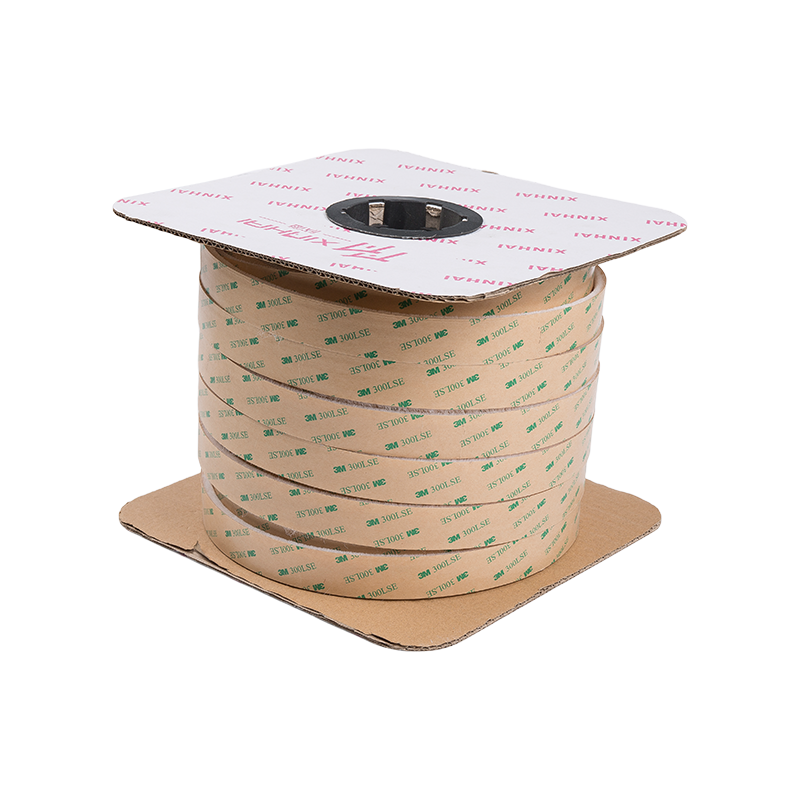
- Flexible Installation: Featuring a strong self-adhesive backing, our EPDM weatherstripping can be easily applied to various surfaces. This ensures a quick and secure installation process for both residential and commercial projects.
- Acoustic Insulation: In addition to sealing against elements, the material's inherent properties provide a degree of noise reduction, enhancing the comfort of interior spaces. This makes it a suitable solution for door and window insulation.
 |
Application Areas
This product is suitable for the following industrial and commercial applications:
- Residential and commercial building construction for door and window sealing.
- Automotive manufacturing for car door seals and trunk seals.
- HVAC systems to prevent air leakage in ducts.
- Marine applications for hatches and portholes.
- Industrial machinery enclosures for protection against dust and moisture.
|
Product Description
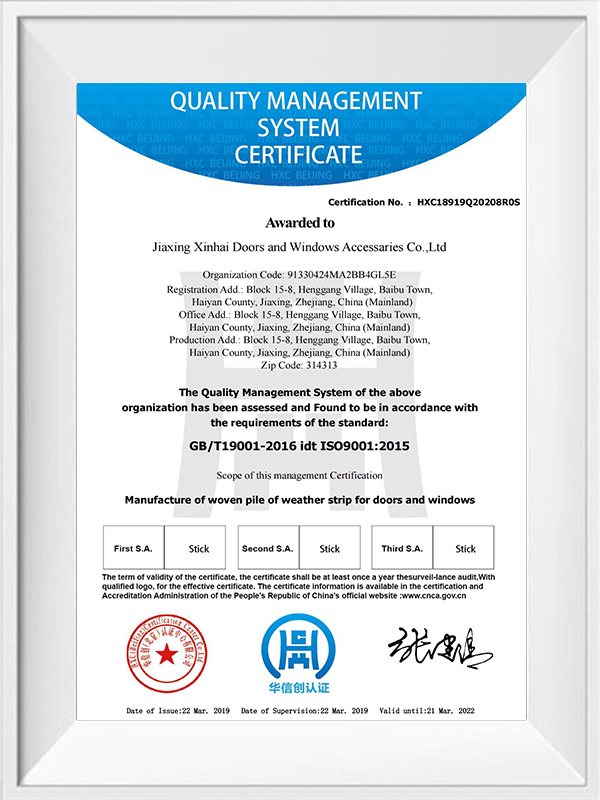
This dustproof EPDM rubber weatherstripping is designed to provide a high-performance sealing solution for doors and windows in a variety of applications. Its technical design focuses on creating a long-lasting barrier against environmental factors, contributing to the energy efficiency and longevity of buildings. Manufactured under stringent quality controls, our self-adhesive EPDM seal meets international standards for material resilience and operational integrity.
The product's core technical advantage lies in its closed-cell EPDM foam structure, which prevents water absorption and maintains its shape under pressure. This is a critical feature for applications requiring a reliable and durable seal, such as in construction, automotive, and marine industries. The strategic integration of a high-tack adhesive ensures a secure bond to a wide range of materials, including wood, aluminum, PVC, and steel, making it a versatile weather seal for windows and doors.
Technical Specifications
| Property |
Value |
| Material |
EPDM (Ethylene Propylene Diene Monomer) |
| Density |
0.4-0.6 g/cm³ |
| Hardness |
35-45 Shore A |
| Tensile Strength |
>3.0 MPa |
| Temperature Range |
-40°C to +120°C |
| Adhesive Type |
High-tack acrylic |
FAQ
How does EPDM weatherstripping differ from silicone or foam seals?
EPDM rubber weatherstripping offers superior durability and resistance to harsh weather, including UV rays and ozone, compared to many silicone and foam seals. While silicone is highly flexible, EPDM is specifically engineered for long-term outdoor exposure and temperature extremes, making it the preferred choice for applications where longevity and performance are critical. Foam seals often lack the closed-cell structure of EPDM, which can lead to water absorption and degradation over time, compromising their sealing effectiveness.
What is the typical lifespan of EPDM weatherstripping?
When properly installed and maintained, high-quality EPDM rubber weatherstripping has an expected service life of 10 to 20 years or more. Its inherent resistance to aging, cracking, and hardening under a wide range of environmental conditions contributes to its exceptional longevity. The exact lifespan can vary depending on the specific application, frequency of use, and exposure to extreme conditions, but EPDM consistently outperforms many other materials in terms of durability.
Can this product be used for soundproofing?
Yes, while primarily designed for sealing against dust and drafts, the dense cellular structure of EPDM weatherstripping also provides effective acoustic insulation. By creating a tight seal around doors and windows, it helps to block external noise, contributing to a quieter and more comfortable interior environment. The degree of sound reduction will depend on the installation quality and the specific sound frequencies being addressed, but it is a valuable secondary benefit of using this product.